Switzerland’s Step in Time

imageTime to get used to time again, a different concept of time. Switzerland and the rest of Europe moved the clocks back an hour last night, ending the period of Daylight Savings Time. At 6:00 p.m., it now is dark outside. In July, I could still come back from a walk with the dogs in the last light of day at 9:00 p.m. Much as I hate the annual turning back of the clocks and rejoice when they are pushed forward in the Spring, the practice of changing the clocks seems an immutable fact, a worldwide occurrence. As it turns out, Switzerland, naturally, moved to its own beat in accepting the idea of changing the hours of daylight.

There is an old phrase which often is cited whenever Switzerland chooses a solitary path: Die Schweizer ticken anders. Ticken, like the tick of a clock. A literal translation would be something like the Swiss tick differently. In this case, Switzerland’s clocks really did tick differently, as the country refused to follow the rest of Europe in 1980 in changing to Daylight Savings Time. Keep in mind that Switzerland is a tiny country tucked right into Europe. The borders with France, Germany and Italy are right there, flanking Switzerland. So Switzerland became a little island of its own time right in the middle of Europe. Trains would run on a European time frame but would stall coming into Switzerland. The extraordinary train arrangements cost the country about 15 million francs. Overtime had to be paid to all the foreign workers who daily crossed the borders to work in Switzerland. It was the farmers who had the power to stop time, organizing a collection of 82,000 signatures in 3 months, more than double the amount necessary to force a referendum (on a vote which had previously allowed the institution of DST). As one farmer recalled on a radio program yesterday, the cows suffered; their milk production went on running on standard time. Delays in milking caused swelling and pain. And so Switzerland stalled too, holding out for a year before finally deciding to step in time with the rest of Europe in the summer of 1981. I continue to be amazed by the power of the people here in Switzerland.

Standard

Sing his Praise

image

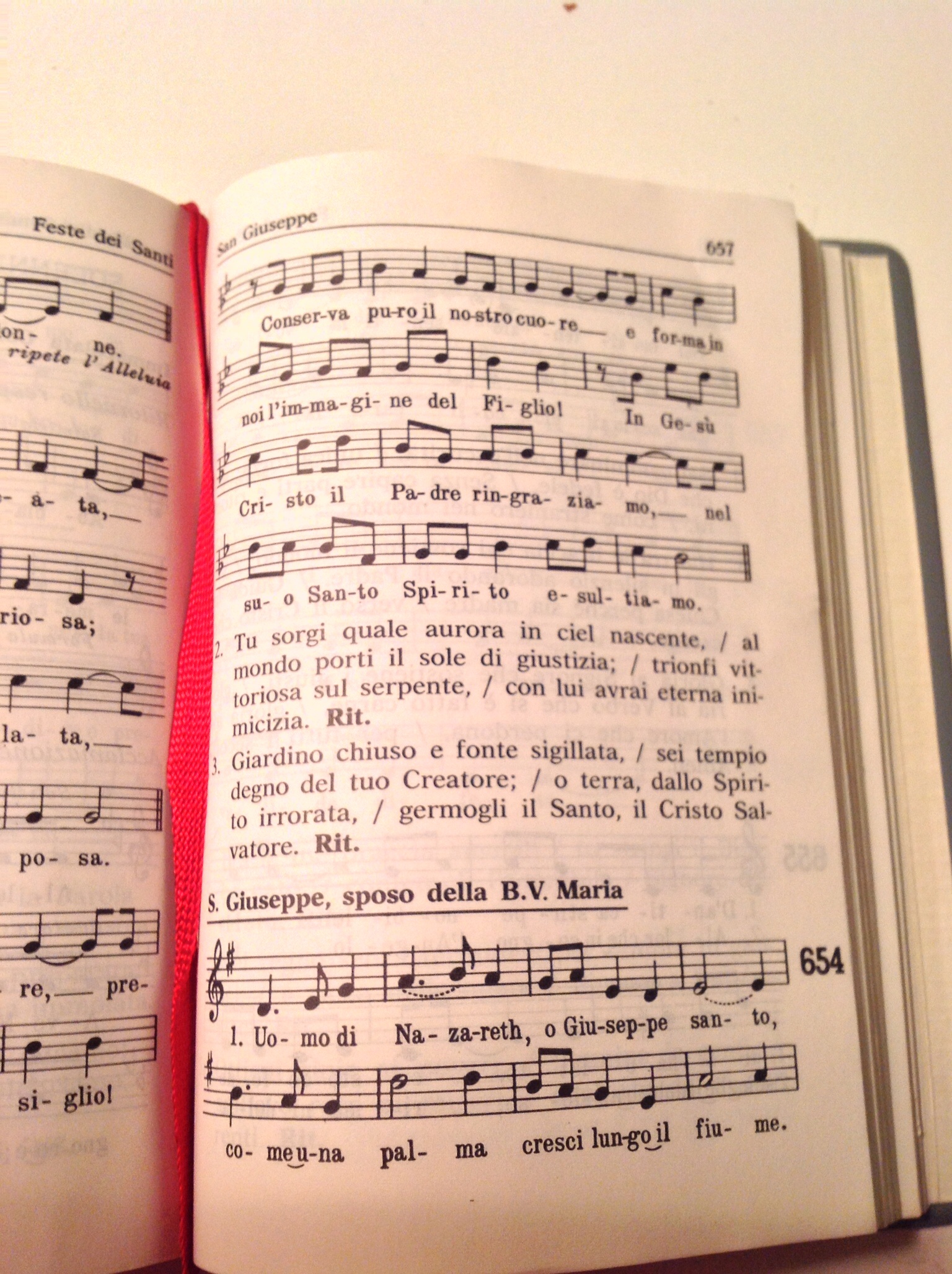
These last two days represented a confluence of thought for me around the figure of Fathers. Thursday was the Solennita di San Giuseppe, the Holy Day of St. Joseph. In Ticino, this catholic canton, it is a holiday with high mass celebrated in every church. But like dioceses everywhere, the congregation dwindles, and I often feel like we – me and the other members of our church choir – are more numerous than the rest of the congregation. And since San Giuseppe fell on a Thursday, Friday was declared a school holiday, making for a nice long holiday weekend and for rather empty churches. Nonetheless, San Giuseppe means that it’s Father’s Day here in Ticino, and having the day free meant that families really could celebrate with their fathers. The Unesco World Heritage Castles of Bellinzona offered free entrance for all fathers. The very popular celebration in Vacallo includes the sale of their famous Tortelli di San Giuseppe; this year they used 1,500 eggs, 230 kilos of flour and 50 kilos of sugar to prepare thousands of them. The recipe is a prized secret, so the rest of the ingredients were not revealed. At 11 o’clock, by the time Mass was over, there were no more tortelli to be found. At our Mass, singing the hymns dedicated to San Giuseppe, the thought of my father was so strongly present in my mind, as two days later – today – is his 94th birthday. In this past week, his health became a bit more precarious, and his presence as a father became all the more precious.

Pope Paul VI, in his homily about St. Joseph, said that he was “…in every moment and in every exemplary fashion, an unsurpassable custodian, assistant, teacher.” Pope Francesco also spoke of him as custodian, saying that Joseph was beside Mary in both the serene and difficult moments of life, going on to enlarge the dimension of custodian to all mankind, a dimension that is “simply human”. That one should take care of all of God’s creation, with respect and love. My father would not describe himself as a religious man, though he was raised by parents who were deeply religious, but he is squarely within both Popes’ description of custodian. My father, Dr. William B. Zeiler, is exemplary. He has spent his life taking care of generations of our family with boundless love and generosity. His every impulse is to do good. For his family, his friends and just about anybody he happens to meet. He pushed the boundaries of his profession as pathologist, both to improve practices as well as to facilitate accessibility to diagnostic testing. He reached the top of his profession, elected to be President of the College of American Pathologists as well as President of the World Association of Societies of Pathology and Laboratory Medicine. He approaches everything with intelligence, curiosity, logic, optimism, determination and resoluteness, which translates occasionally into stubbornness, but that is probably what is keeping him alive and well. The beat of jazz has accompanied him from the time he played it on the piano to finance medical school to jamming with top professionals in cities all over the world. Maybe that jazz energy is suffused in his bones, because despite undergoing a difficult and unpleasant exam on Thursday, when I spoke with him on Friday he cheerfully said, “well, it’s another day.” Goodness, what a spirit, what a man. I always have been so proud to be Dr. Zeiler’s daughter.

Standard

Rumor has it

image

The photo is a screen shot of the New York Times article of today. Where could Putin be? I have now seen stories across a variety of media, including NBC Nightly News, all wondering what happened to Putin. Well, according to the Swiss Italian national television news program, the Telegiornale, he is allegedly right here in Lugano, Ticino. To be specific, in the same private clinic where my two sons were born, accompanying his companion who has just given birth to their child. I repeat, allegedly. But that it appeared on our national news program is interesting. In any case, if it should turn out to be true, no chance of automatic Swiss citizenship. Our parliament is still discussing the possibility of easing nationalization of THIRD generation descendants of immigrants.

Standard

Tis the Season

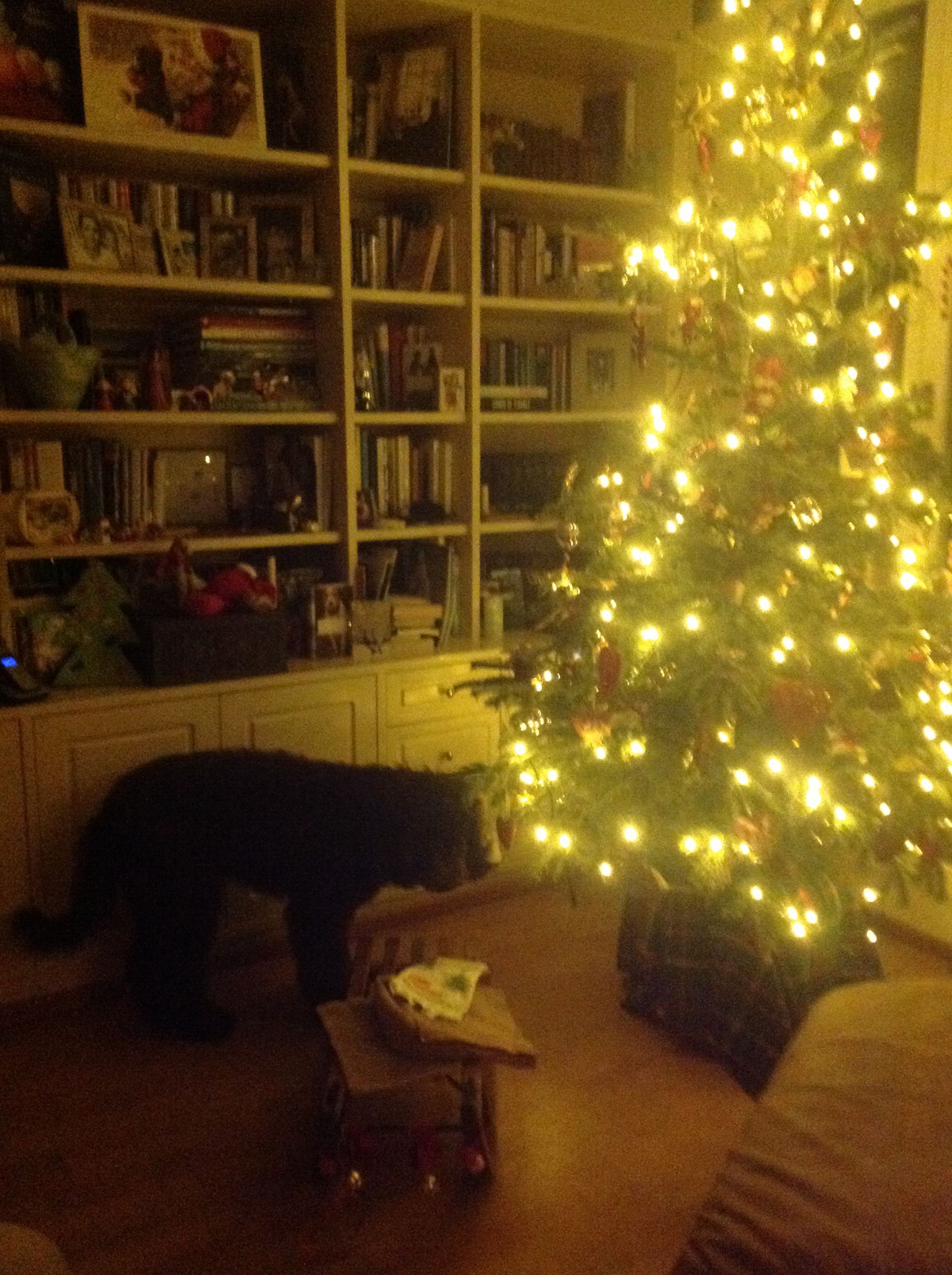
Every holiday season, sometime after New Year’s Day, I sit down with a mental ‘whew’ and feel like I haven’t sat down in weeks. This year it seems truer than ever, as we have a very boisterous, energetic, enormous 4-month old puppy, so I am on my feet all the time.

Leo nosing around the sled seeing if there is anything he could nab

Leo nosing around the sled seeing if there is anything he could nab

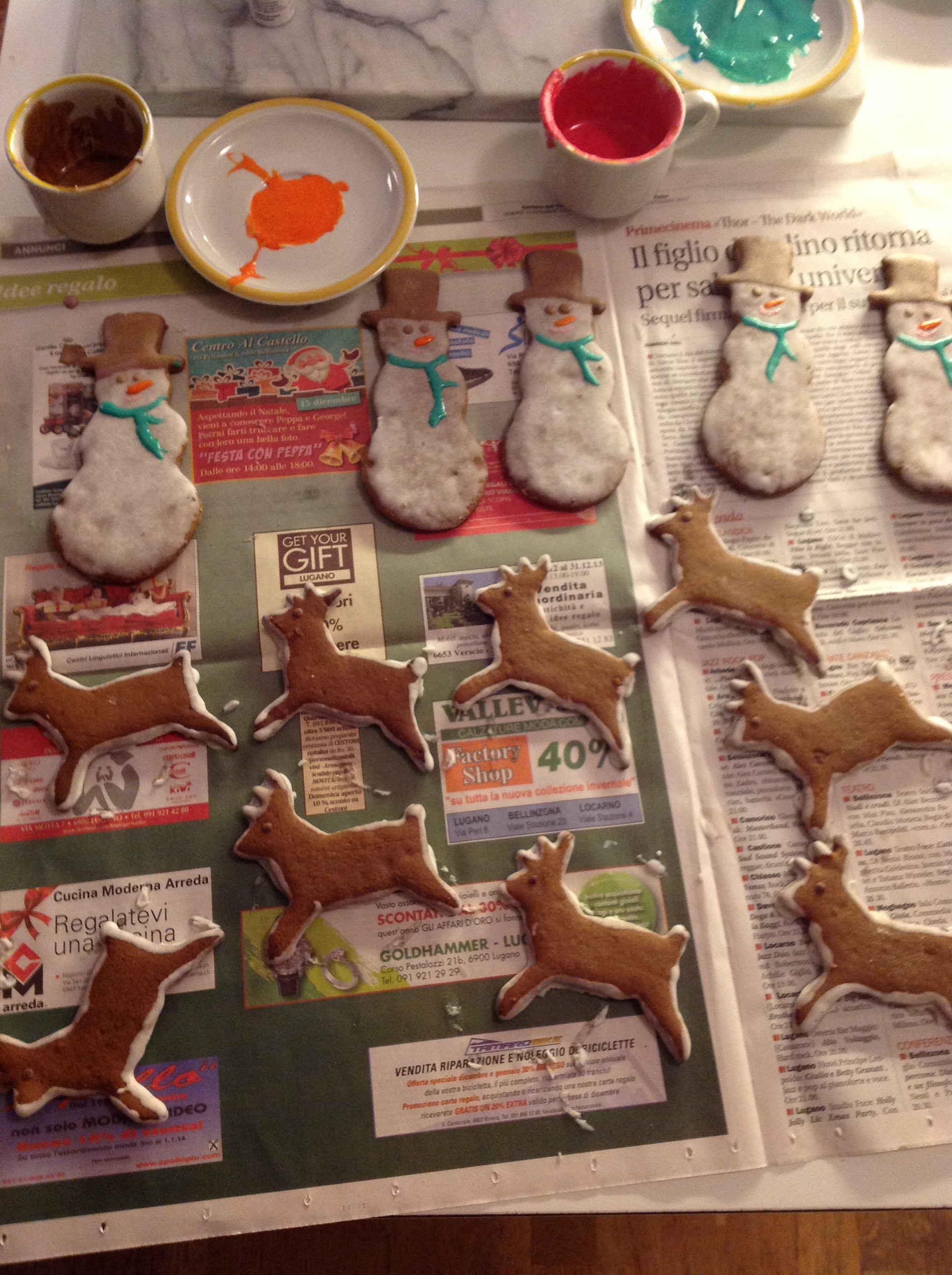
So thank heavens that our holiday season is absolutely celebrated through January 6, the Epiphany. All the holiday lights are lit, most people are still on holiday, including my husband, and there is a feeling that real life is still suspended in a holiday bubble. And since I always seem to be behind with one thing or another, I have time to catch up and still be within the holiday period. I made another batch of gingerbread cookies just yesterday.image

In our Catholic Canton of Ticino, the Christmas season starts and ends with a religious holiday with all schools and offices are closed. A full Mass is celebrated at 5 pm on December 8, the Solemnity of the Immaculate Conception of Mary. I have been part of our little church choir for the past 14 years and I still marvel at taking part in centuries old traditions here. After singing Agnus Dei in Latin and following Communion, the whole congregation files out with lit candles, following the statue of the Virgin Mary, in a procession through the village. Prayers are said and hymns are sung as we all walk, two by two, through the darkened streets, lit only by our flickering candles.

We also had an exhibition of nativity scenes made not only by the school children but also enthusiastically by some of the people in our village. I saw one acquaintance coming out of the woods with a big basket of branches and moss and she smiled as she saw me, lifting the basket and saying “preparations for my nativity set”. Her finished piece was amazing, a whole scenario with a running stream through her pastoral setting. The unveiling of all the nativity scenes, scattered through the village, was combined with a Christmas program carried out by the kindergarten and elementary school children and concluded with a shared meal of minestrone, bread, cheese and salami for everyone at the Casa Communale, our meeting house where we also vote.

Before Christmas I made a trip to Zurich, a city that I love and where I lived for two years. Zurich is particularly magical at Christmas. When I got off the train, I thought that there were more people at the train station than there are in Lugano. The Christmas market had been set up within the train station and it was jam-packed with cheerily decorated wooden stalls selling everything from pashminas to spices to carved wooden objects to an array of gingerbread houses and hearts. Walking out of the train station, you come right up to the famous Bahnhofstrasse, which was dazzling with its Christmas constellation of a million dots of light – they’ve dubbed it “Lucy in the Sky with Diamonds”. I always go to Schober’s at Christmas time, there is no other place that is like a movie set for a perfectly marvelous holiday scene.

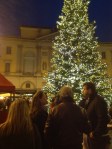
Lugano looks beautiful too. The Christmas tree in the main Piazza is spectacular, and the respite from the constant rain of the past months has brought a steady flow of people to convivially fill the outdoor cafes which ring the piazza.

Then shortly before Christmas, my home and heart were complete by the arrival of both my sons, GL from America and A from Lucerne University. GL’s girlfriend, who we all love, arrived two days after Christmas and it has been wonderful to have them all here. They will return to the States today. But right now they are home and I am happy.

Standard

Democracy in Action

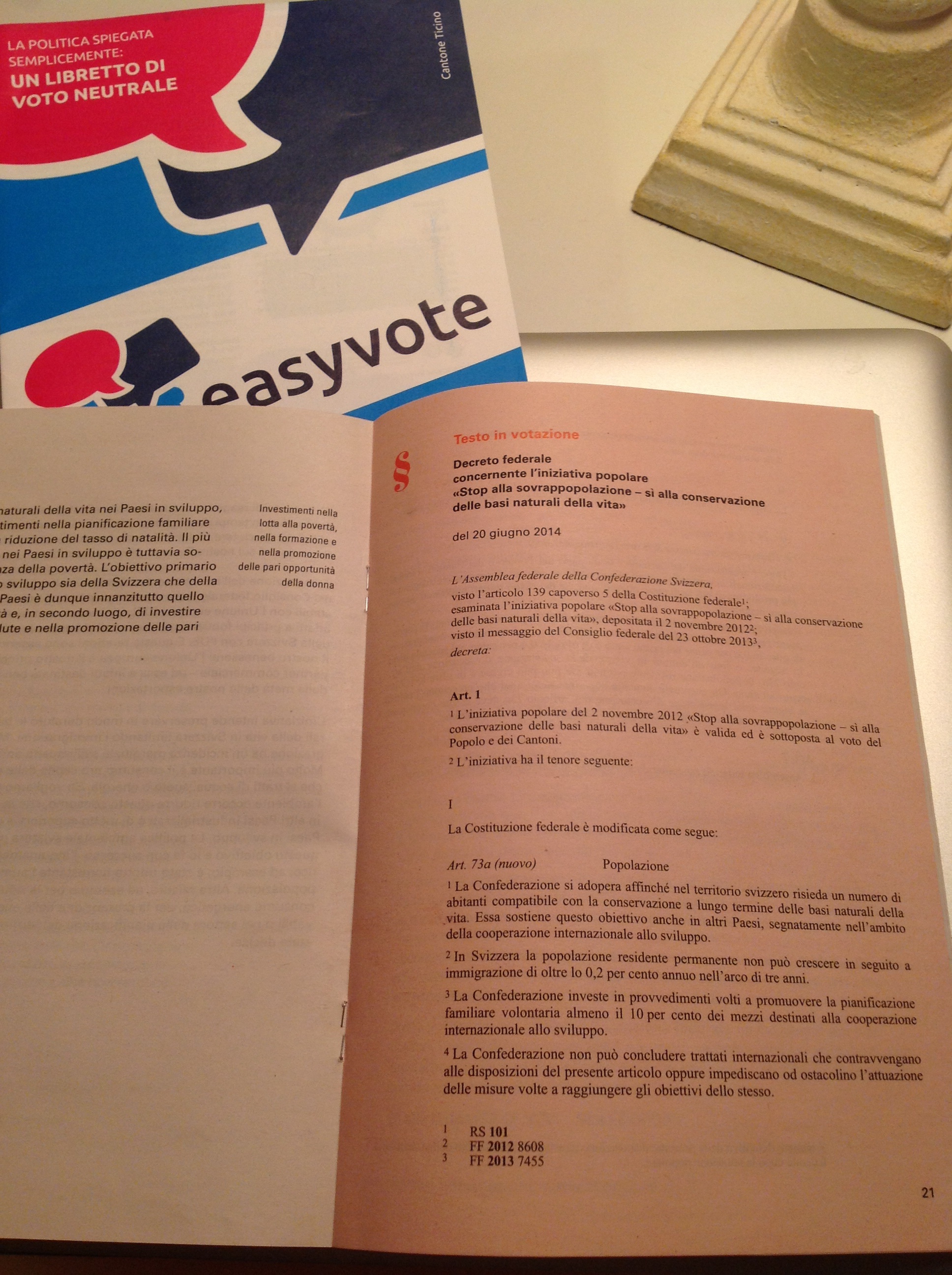
Official Voter Information booklets

It’s been a busy week for Swiss democracy. First the Swiss voted on 3 crucial initiatives, all of which were brought to a vote based on “iniziativa popolare”, proposals which gathered the necessary 100,000 signatures enabling them to be put forward for a popular vote. The initiative that got the most attention was the Ecopop one called “Stop to Overpopulation-yes to a natural basis of life”. This was put forward by an environmental group and aimed to limit immigration to 2%, which would mean about 16,000 annually. The current immigration figures are around 80,000 annually – a number which had spurred the acceptance of the immigration quotas voted on in February, which I wrote about previously. These new immigration quotas, being worked on now, threw Switzerland’s bilateral agreements with the EU more or less out the window, as the free movement of people is a key EU tenet. Another more restrictive vote would have closed the door completely. Thank heavens it was turned down by 74.1% of the voters. Even Ticino, which voted in favor of the February initiative by 68%, turned it down with a 63% majority. We also voted against an initiative,by 77%, which would have required the Swiss National Bank to hold 20% of its reserves in gold, prohibiting its sale and requiring that it be physically held in Switzerland. In a closer vote, the third initiative to stop lump sum tax treatment for wealthy foreigners was rejected by nearly 60% of voters. Zurich, for example, voted for it by 49% and against it by 50.9%. The initiative’s failure to win approval was hailed as an affirmation of Switzerland’s strong Federalist system of government, as it retained the cantons’ individual autonomy in setting their tax structures.

I never tire of admiring Switzerland’s direct democracy. For every scheduled vote, Switzerland sends out to every voter a booklet, depending on the region either in French, German or Italian, describing each proposal in detail with the pro and con of every issue outlined, along with the Government’s position on the issue. An additional information booklet is distributed to younger voters by the Youth Parliament’s Easy Vote, which also provides a link for video instruction. I found it fascinating and illustrative that the Ecopop initiative had been rejected in the National Council by a vote of 190 to 3, with 5 abstentions, and rejected in the State Council by a vote of 44 to 1, with no abstentions and still was able to be brought up before the general population for a vote. Naturally, the Government’s recommendation was to reject the initiative.

Then two days after the vote, another popular initiative was launched to reverse the immigration vote of February. The group behind it, called “Raus aus der Sackgasse” RASA, – Out of the Dead-End – wants to reverse the decision to introduce immigration quotas. Their action is based on the consequences that Switzerland is suffering as a result of the vote from the EU. Swiss researchers are no longer able to participate in key EU research programs; Swiss students now are locked out of the Erasmus student exchange program. And that is only the start. RASA’s supporters include notable figures from across Switzerland, such as the arts figures Pipilotti Rist and Dimitri, law professor Thomas Geiser and Economics Professor as well as Vice-Rector of the University of Geneva Yves Flueckiger. RASA now has to start gathering the essential 100,000 signatures.

Then on Wednesday, Switzerland’s Parliament voted in our new President, Simonetta Sommaruga, the Justice Minister. Granted, the Presidency is a one year, rotating position, and it’s basically a matter of waiting your turn once you are part of the 7-member cabinet. However, if you stay long enough, you might be President twice. President Sommaruga is a tough, smart woman. She is pragmatic and caring. She received 181 votes out of 210, considered to be an excellent result. I hope she will be part of the government for many years to come.

Standard

Back Again

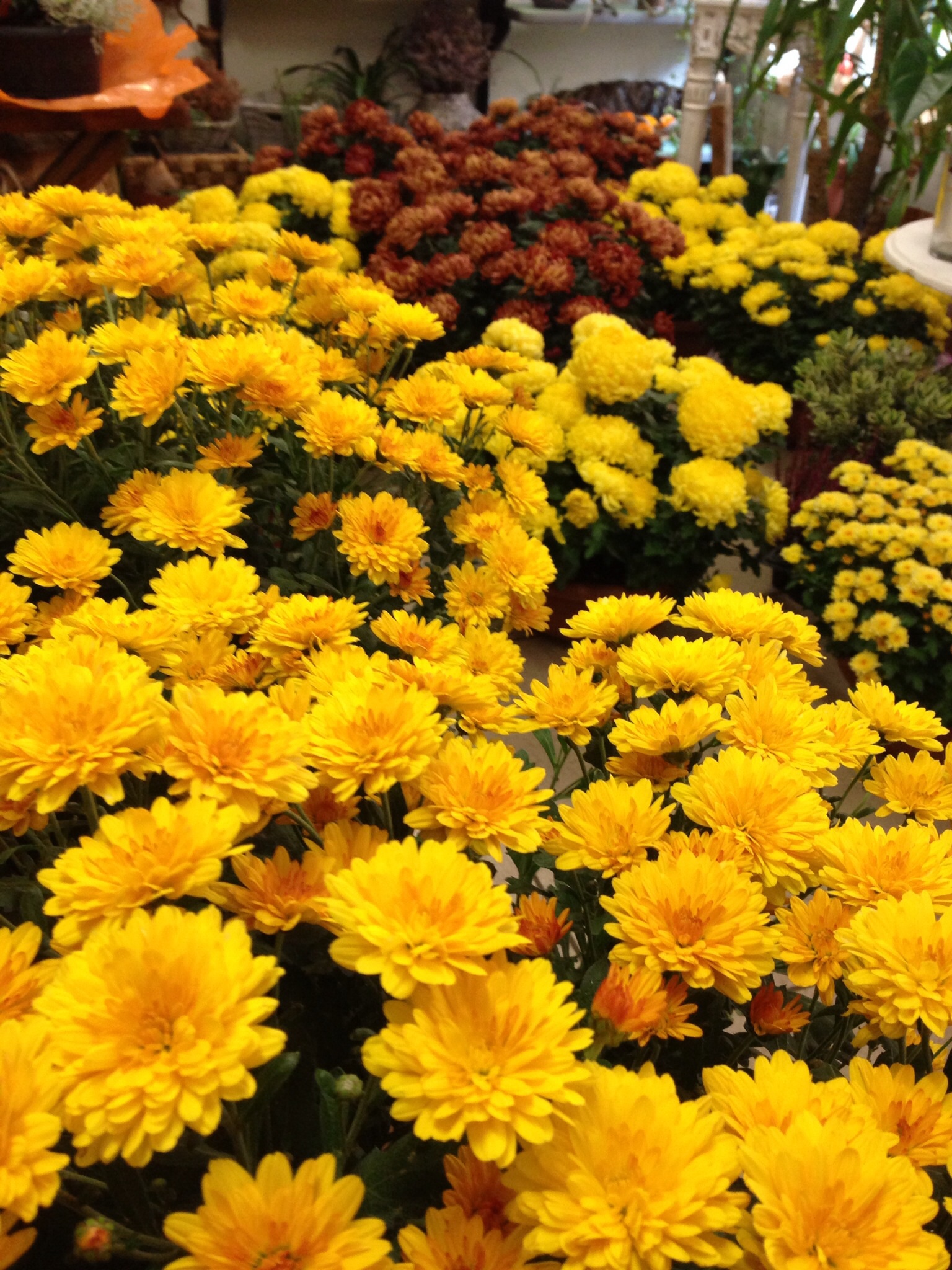
Chrysanthemums ready for il Giorno dei Morti

Chrysanthemums ready for il Giorno dei Morti

It’s nice to be back home in Switzerland, and I am so happy that the person for whom I wanted to recount these Swiss tales, is now reading this. Hello Mrs. B.! And thank you J. for your essential help in setting things up.

I returned from the States two weeks ago, arriving to an autumn season that is much sunnier and more stable in its weather patterns than this past summer. Sadly, I did miss the annual September Vendemmia, the gathering of the grapes; and I missed the usual bounty of fresh, plump green figs from our enormous tree which lies just in front of our little vineyard.

But I am back in time for the preparation for the Giorno dei Morti, day of the dead, which is November 2, just after All Saints Day on November 1. Something must ring in the conscience of every Ticinese to make sure that the gravestones of their loved ones are well decorated in time, for every florist shop in the area is now flooded with chrysanthemums, the flowering plant of choice for this occasion.

I went to the village just below mine, Caslano, to run some errands, and it turned out to be a morning where I felt so grounded and grateful for the connectedness of my small town life. At the newsstand, the last little shop before reaching the lake, where Mario the owner procures for me the London Sunday Times, he tells me that my friend Fabienne came by. Learning that I like the same dark chocolate covered cherries that she does, she has left a pack of them for me with a little note saying “un abbracio”, a hug. Just as I say, oh I have to call her as soon as I get home, Mario says, “she’s just arrived”, looking through the large glass window which fronts the newsstand. We all chat for a bit, she reports on the health of her elderly mother, I tell of my exhaustion of bringing home a new 10-week old puppy 10 days ago, and then I left to go up the narrow cobblestone street to the florist. As the photo shows, it was brimming with beautiful chrysanthemums. Moments later, Fabienne arrived there, too. Her husband, Jean, died nearly 4 years ago and she came to order the flowers for for his grave.

Standing in this little florist shop, with barely room to move among all the pots of chrysanthemums, she recounted, with an honesty and openness that was piercing, her continuing sorrow and sense of loss. She said she goes to his grave sometimes twice a day, she “just needs to talk to him”. If she doesn’t have time to stop, she salutes him with a “ciao” as she drives by. Everything is so close. The piazza with the church and cemetery beyond is just up and to the right from the little cobblestone street where we now stand. She says she thinks so often of what she could have done before…”why didn’t I take 20 minutes to sit by the lake and have a coffee with Jean?” They had owned the wonderful San Martino restaurant in Pura. Jean was French and they previously had lived in Geneva, owning a very successful restaurant there. As Fabienne’s mother got older and developed health issues, they moved to Ticino and opened up their amazing restaurant in my village. They spent nearly every moment together; Jean was the chef but Fabienne took care of everything else. He could be volatile in the kitchen; she calmed the waters. Everyone said that Jean made the best bouillabaisse, rivaling any of the top restaurants in Provence. For our annual Church fund-raiser in Pura, Jean spent hours in the kitchen turning out tin after tin of his famous lemon tart to donate to the sale.

Monsieur Jean Chanavat, in the kitchen preparing lemon tarts

Monsieur Jean Chanavat, in the kitchen preparing lemon tarts

Every significant meal in the life of my family was spent there, each child’s baptism and confirmation lunches, every visit from my father, our wedding anniversary dinners. One year my husband was sick and totally unable to go out. I called Jean and he cooked the most marvelous meal for me to pick up and take home. He exuded warmth – friends were greeted with arms spread out to embrace them tightly as each cheek was kissed. One time I took a good friend who had grown-up in Pura and was back visiting there for a coffee one morning. This friend had worked for a bank and had been responsible for a major financial mistake, whereupon he quite literally ran away to Mexico, eventually opening up some kind of meager refreshment shack on a stretch of a fishing beach. Such is village life, I think a lot of people knew about his story. Jean came to greet us and he shook my friend’s hand, saying, “Cher Colleague, How are you?” And Jean looked at my friend with nothing but gentle kindness and dignity, not a shred of sarcasm. “Cher Colleague”, I will remember that forever. What a man! Jean and Fabienne had a rich, full, busy life together, but what she stood there ruminating over were the moments they didn’t spend together. Quiet moments, just for the two of them. So she says she often stands by his grave and says sorry.

Standard

This is Love

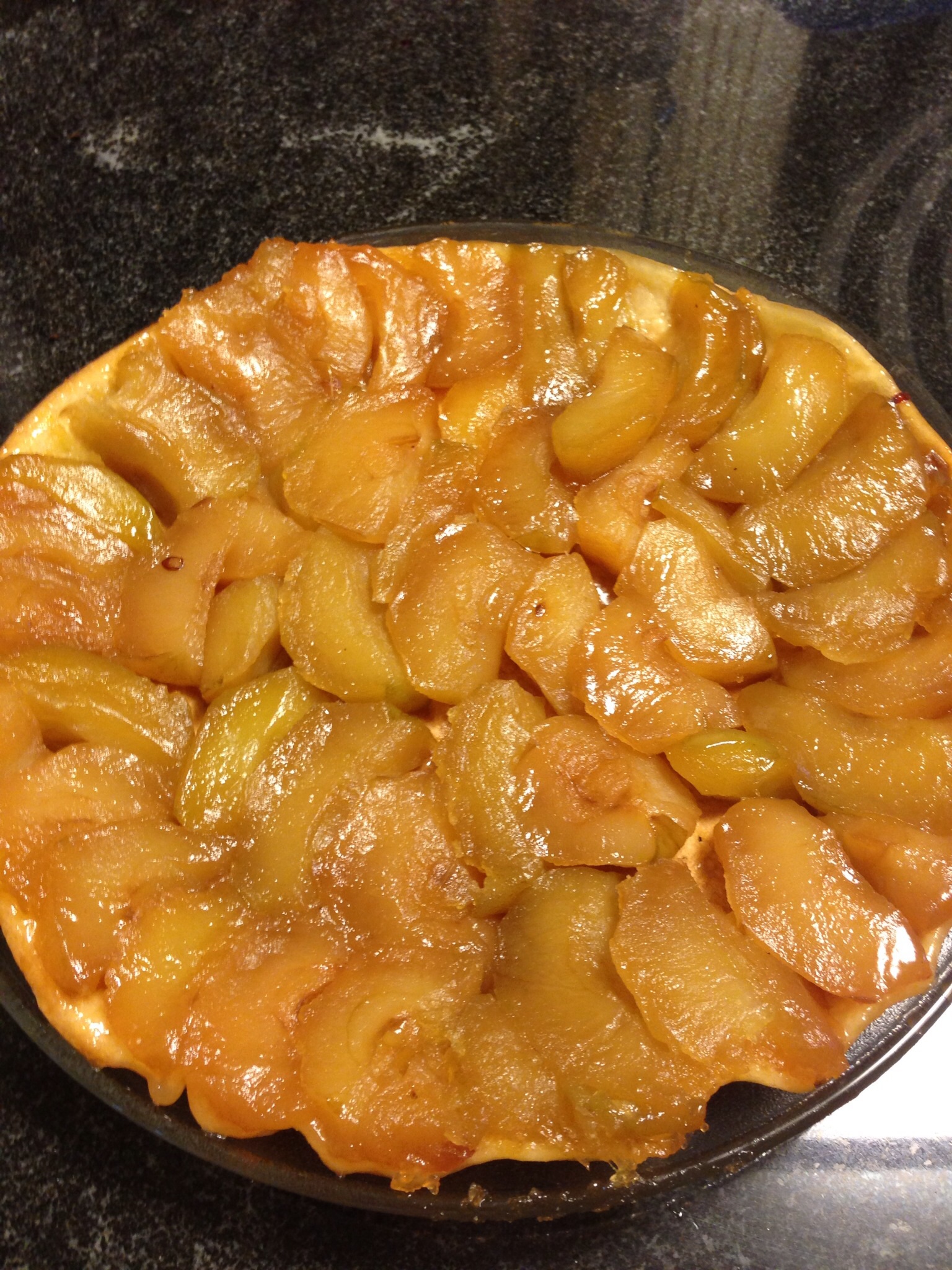
image This is love. It is a tarte tatin. It was made by my oldest friend in Ticino, Valeria, for Friday night dinner. It was the day after the death of her sister-in-law, the beloved, indomitable sister of her husband. Hospitalized since Monday for what seemed like a minor problem, she took a sudden and unexpected turn for the worse on Tuesday. Her husband came hurrying back to the hospital, calling out Mari, Mari, as he rounded the door frame to her room, in a rush of love and tenderness and anguish. She died Thursday night, the 11th of September. Three months to the day of the also unexpected death of her beloved son, another death which had all too recently wrapped the entire family in a shroud of sadness and sorrow. And now Valeria, after standing vigil for days in the hospital, was doing what she does best, providing succor and sustenance for the family by cooking dinner. I stood in her kitchen as she browned the rack of lamb, pausing only to gather the vegetables that she would roast with the lamb. It was a choreography in the kitchen, a practiced swinging from one task to the next. To the side of her, on the wall by the sink, hangs a board holding the quote by Michel Bourdin: Cucinare é un modo di dare, Cooking is a way of giving. And that is Valeria.
She was my first friend in Ticino. Her husband used to joke that it was something like love at first sight when we first met, some 30 years ago. An instant, non-verbal recognition that we would be friends, good friends. She reminded me of Faye Dunaway in 3 Days of the Condor. She strides through life, straight and strong, clear-eyed and purposeful. It was a good thing that she could speak English as I spoke not a word of Italian. 5 years later when we decided to make our vacation home our permanent residence, Valeria was my lifeline. When she gives, she gives with her whole heart, openly and honestly. So when I looked at that tarte tatin glistening on the countertop, what I saw was love.

Standard

Politics of the people, by the people…Politicians among the people

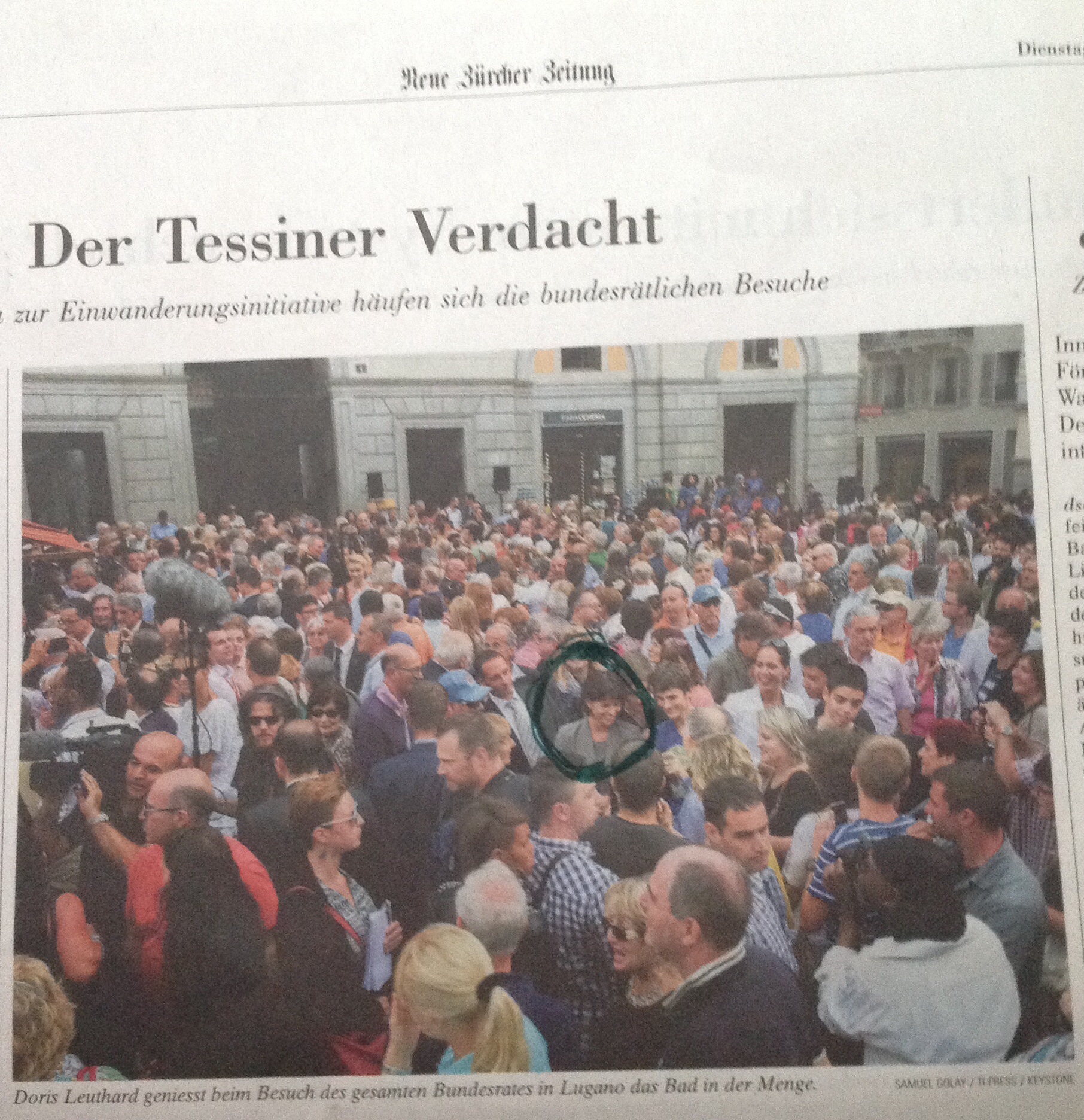
Federal Councillor Doris Leuthard greeting the people

Federal Councillor Doris Leuthard greeting the people

Vice-President Simonetta Sommaruga

Vice-President Simonetta Sommaruga

image

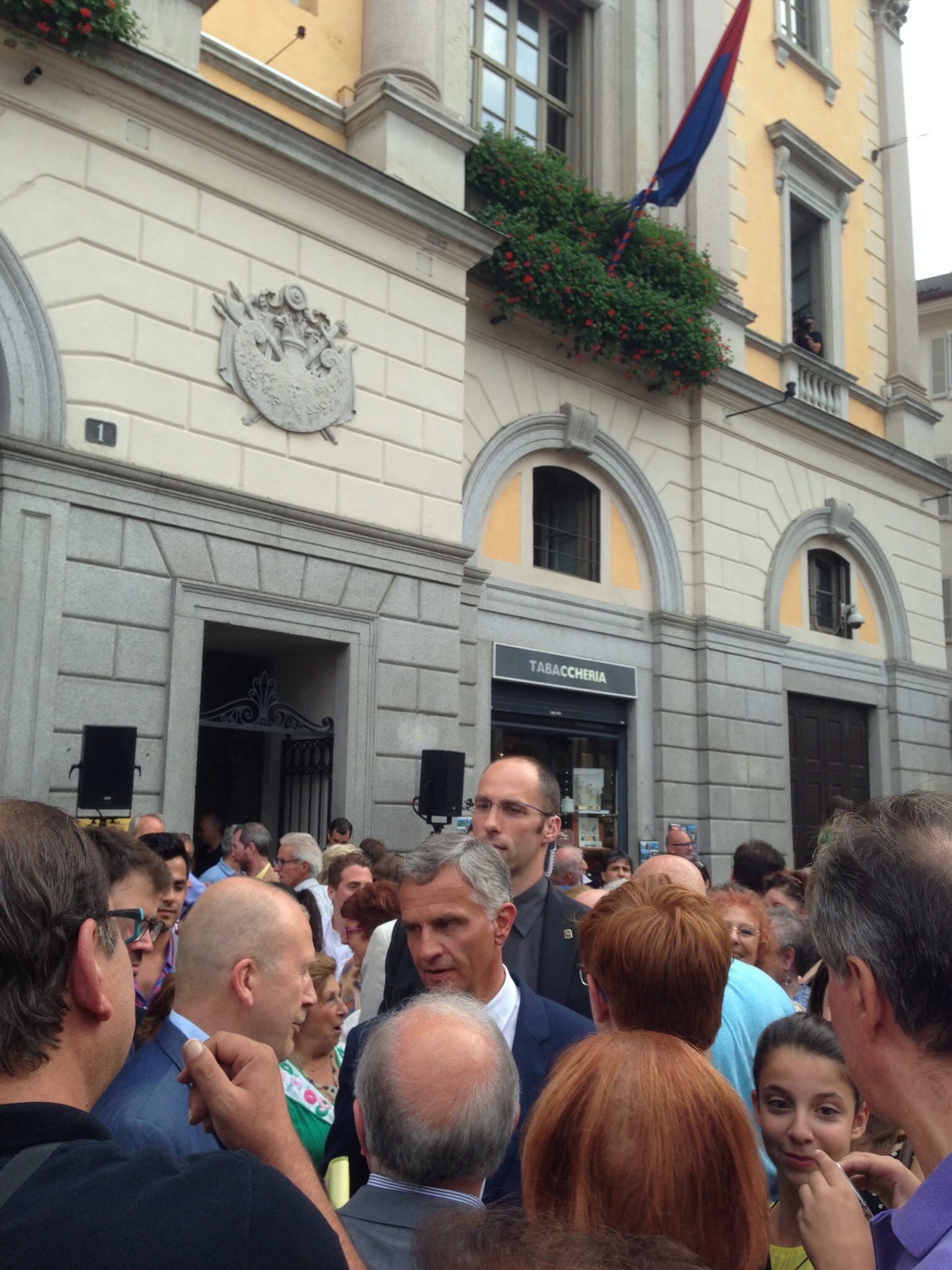
President Didier Burkhalter

President Didier Burkhalter

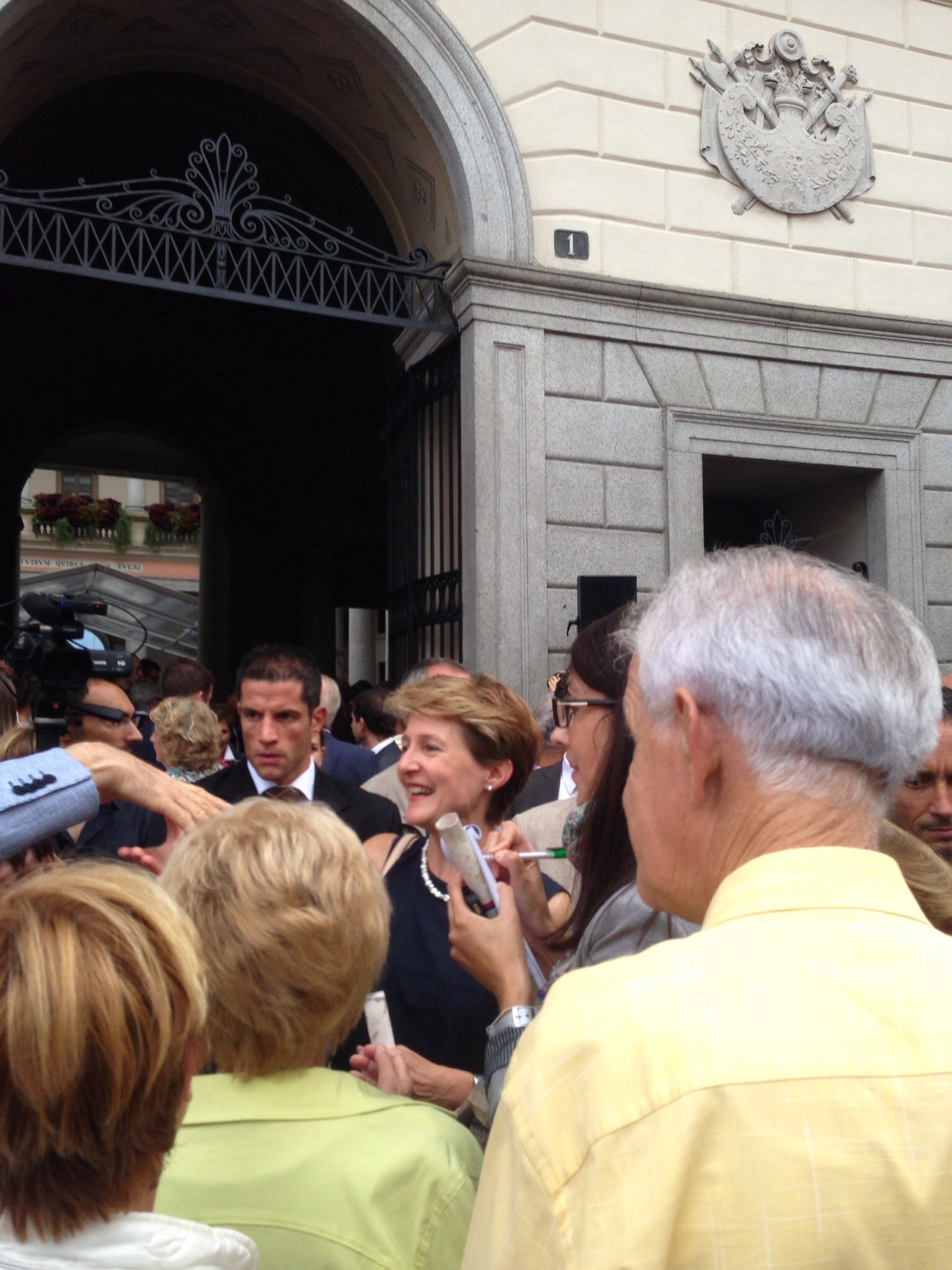
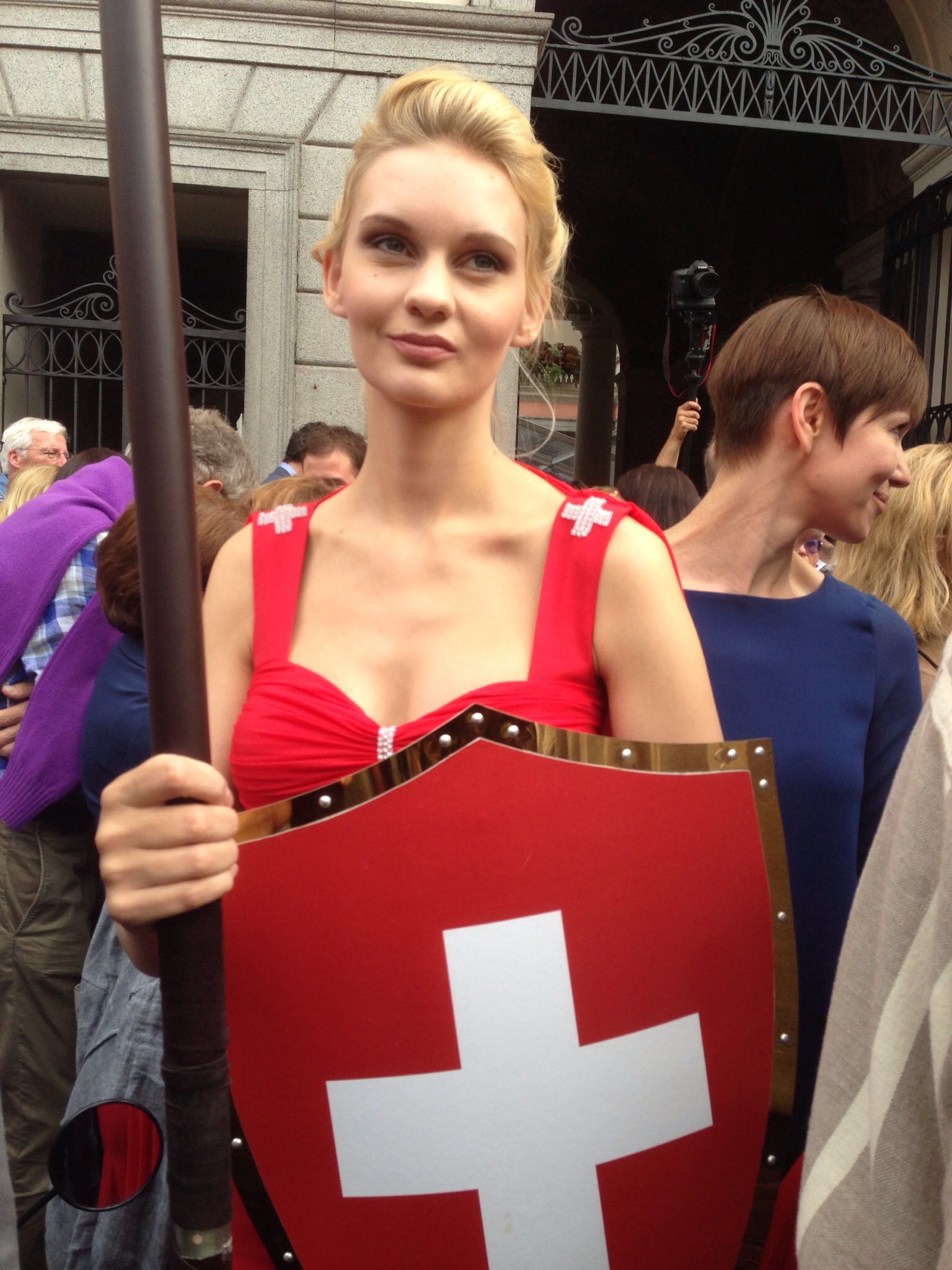
I could only think of the famous closing lines of Abraham Lincoln’s Gettysburg Address “…that government of the people, by the people, for the people shall not perish from the earth”  when I witnessed the entire Swiss Federal Government arrive for a visit in Lugano and quite literally step into the crowds of people.

I marveled to my husband, can you imagine President Obama, Vice-President Biden and the entire cabinet going out and mingling with this huge crowd of people. I was able to shake hands with our President, Didier Burkhalter, our Vice-President Simonetta Sommaruga, both of whom I admire enormously, as well as greet a few other ministers. Amazing!

But it does typify Swiss politics – I have never known a more participatory form of government. In fact, that’s why the whole Federal Government traipsed down to Ticino, because Ticino’s vote in February on the initiative to extend immigration quotas went against the Federal Government’s position by a whopping 68.2%. In fact, Ticino wasn’t the only canton to vote for it, as it very surprisingly passed by a hair-thin 50.3% . But that vote certainly clarified the view that Ticino needed to be knitted back into the fabric of a unified Switzerland. It doesn’t help that there has not been an Italian speaking (Ticinese) member of the Federal Government since 1999. So not only did the entire Federal Government show up, but at the same time the Swiss Embassy Conference also took place in Lugano, bringing 250 representatives of Switzerland throughout the world to this tiny town.

It was a significant show of support for Ticino, attempting to gather Ticino more firmly  in the Federal fold. Mark Twain wrote “Loyalty to country ALWAYS. Loyalty to Government, when it deserves it.” The Swiss government certainly is trying to deserve it.


Standard

Summer Doldrums

imageThis is our version of a sunny day. I was thinking of the Seasonal Affective Disorder SAD, we have not only the absence of sun but the absence of an entire season of summer. I was in my favorite little Italian store, Mina, just across the border in Ponte Tresa, Italy, where while my order of Parma dolce was being sliced, the 4 clerks behind the counter were exchanging comments with me about, of course, the weather. One jocularly asked how it was at my home, knowing that I live in the green and verdant Malcantone, Swiss German guidebooks call it the ‘green lung’ of the Lugano area, saying laughingly, “it must be like Ireland”. Another sourly said, “in July it rained 24 out of 31 days”, while another jumped in to say, “and now (August 3) it’s 3 out of 3, great, we’re starting out well.” Even for this month, I don’t remember one whole day where we would wake up in the morning to sunshine and end in the evening without rain. But we are lucky; our home has not suffered flooding, our village has not been threatened by mudslides. On Wednesday, as we were driving back down one set of mountains, in the Bernese Oberland from Gstaad, another mountain side in the Engadine was hit by a  mudslide just as the famous Glacier Express train was coming by from St. Moritz. Eleven people were injured, 5 seriously. But as all the reports said, there was “Gluck in  Ungluck”, luck in bad luck, because our wonderful Swiss vegetation saved those cars from falling into the deep, rushing waters at the bottom of that precipice. Three railway cars were pushed from the tracks, and one was pushed completely off and was left dangling in the alpine tree layers which caught and saved those passengers.image

Standard

Happy Birthday Switzerland


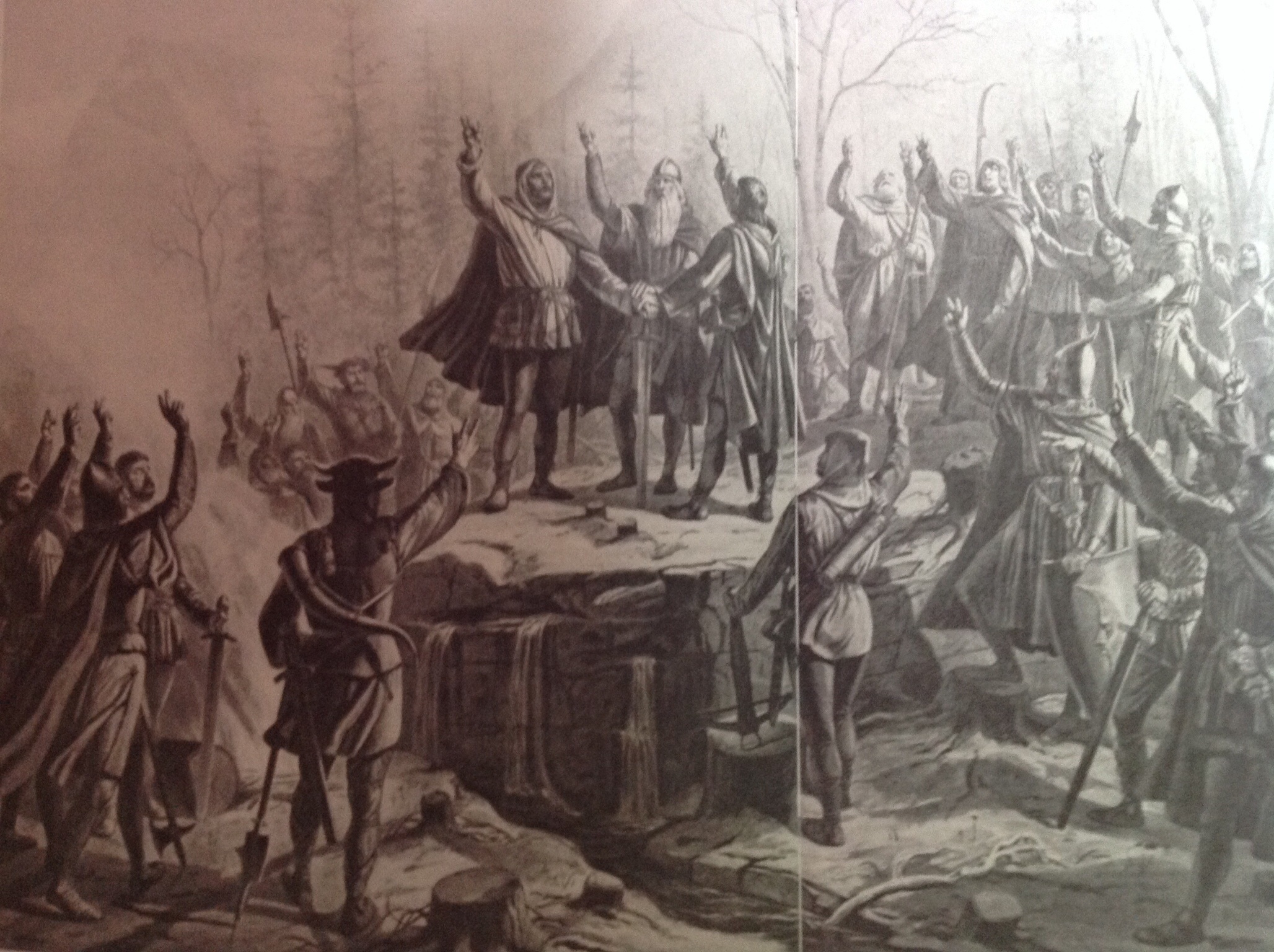
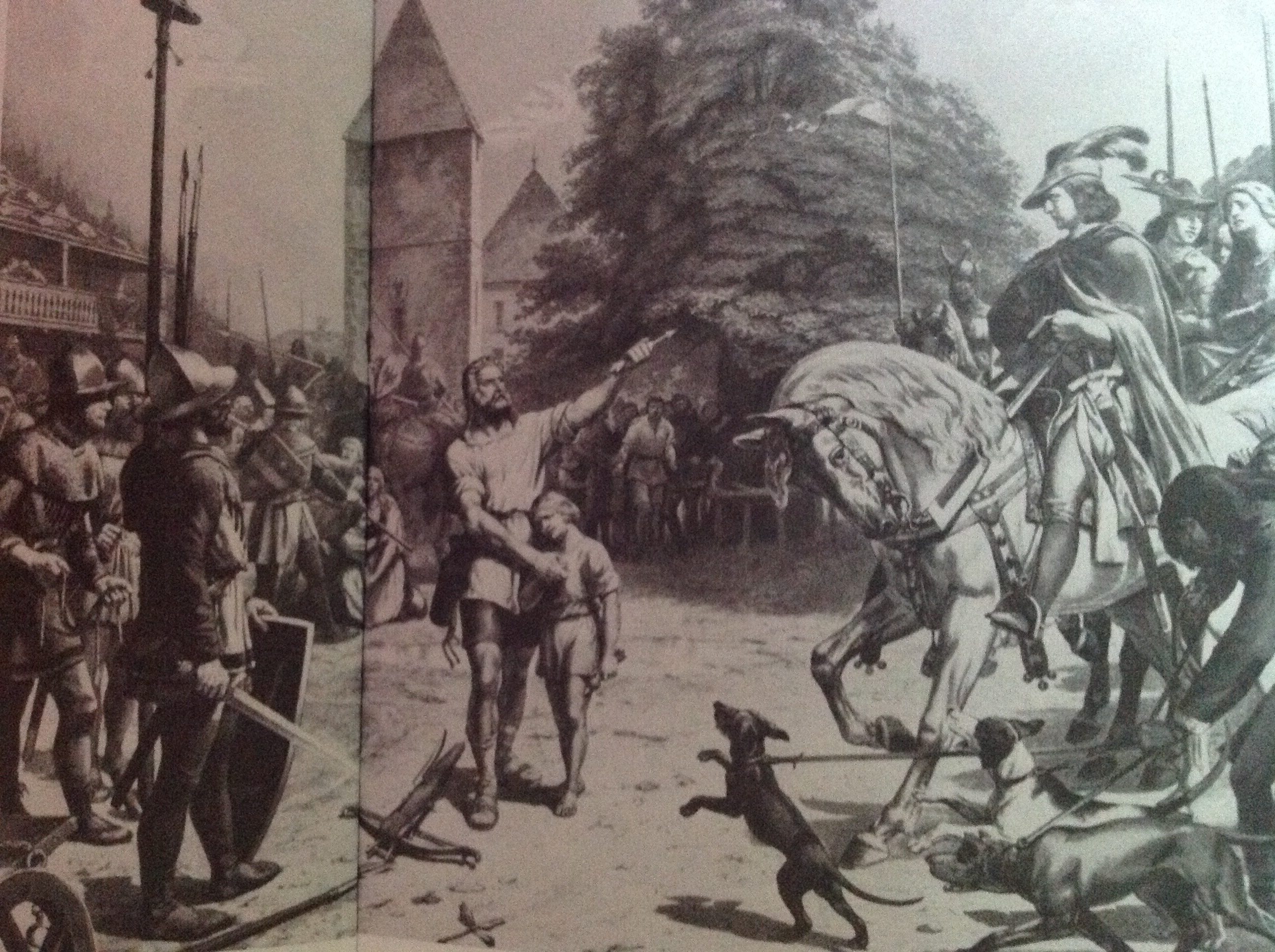
Leaders of Uri, Schwyz and Unterwalden pledging alliance to a new Swiss Confederation, August 1, 1291 Illustration from Tableaux d'Histoire Suisse, Charles Jauslin

Leaders of Uri, Schwyz and Unterwalden pledging alliance to a new Swiss Confederation, August 1, 1291
Illustration from Tableaux d’Histoire Suisse, Charles Jauslin

Switzerland celebrated its 723rd Birthday yesterday. The origins of the Swiss Confederation date from August 1, 1291, when the leaders of the 3 cantons of Uri, Schwyz and Unterwalden came together against the Hapsburg rule, forming an Everlasting League against foreign subjugation, to be a ‘one and only nation of brothers’. The legend of the Swiss national hero, William Tell, comes from this period.

Tableaux d'Histoire Suisse

Tableaux d’Histoire Suisse

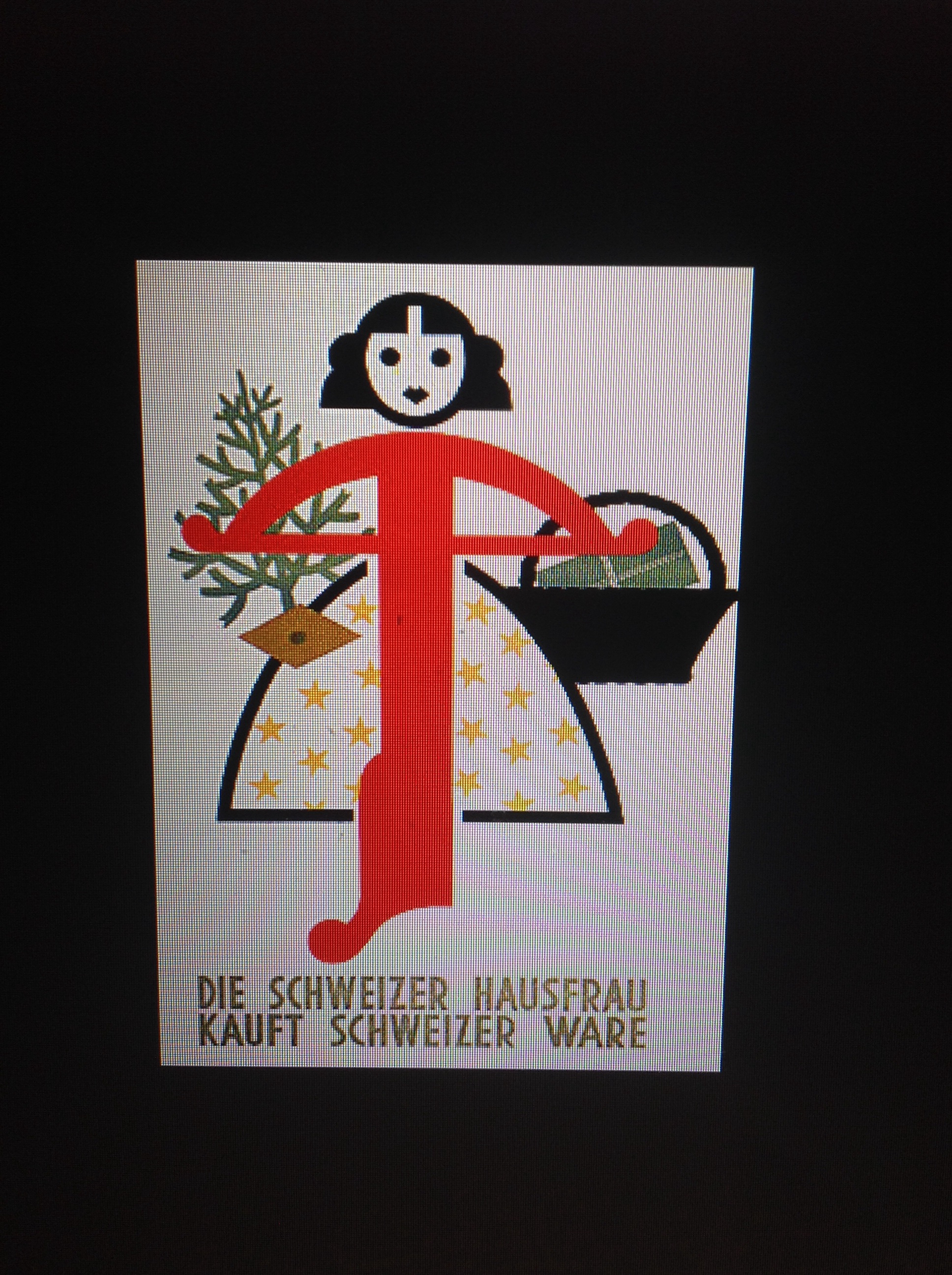
The story is that William passed by the symbolic Hapsburg hat, placed on a pole in the main square as a representation of Austrian power, without the obligatory reverential bow. This irreverent act so enraged the local bailiff Gessler that he ordered Tell, a noted hunter, to shoot an apple off his son’s head as punishment for such provocation. Tell aimed his crossbow, fired, and split the apple in two with his arrow, saving his son. He later shot an arrow through Gessler, as well. Tell’s legend is a strong part of Swiss identity, a common man standing up for his rights. There is a monument dedicated to him in Altdorf, Uri, and his likeness adorns the back of our largest coin currency, the 5 franc piece. For many years, Tell’s crossbow was the symbol for Swiss quality goods.

Swiss Housewives 1930s Advertisement "Tell in Everyday Life" by Ueli Windisch

Swiss Housewives 1930s Advertisement
“Tell in Everyday Life” by Ueli Windisch

This ad was done in the 1930s by an association of Swiss housewives to promote Swiss goods during the economic crisis. Much later, a Levi campaign which used a different male image for each country, choose William Tell as its Swiss subject. 

"Tell in Everyday Life", Ueli Windisch

“Tell in Everyday Life”, Ueli Windisch

Standard